

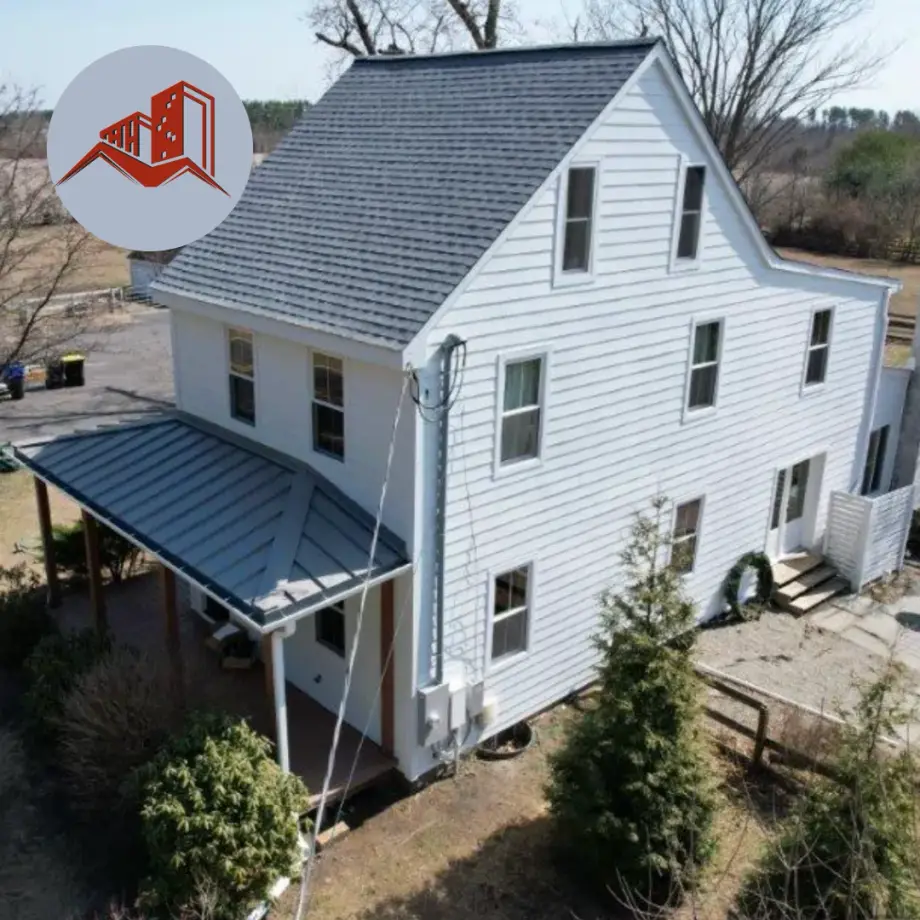
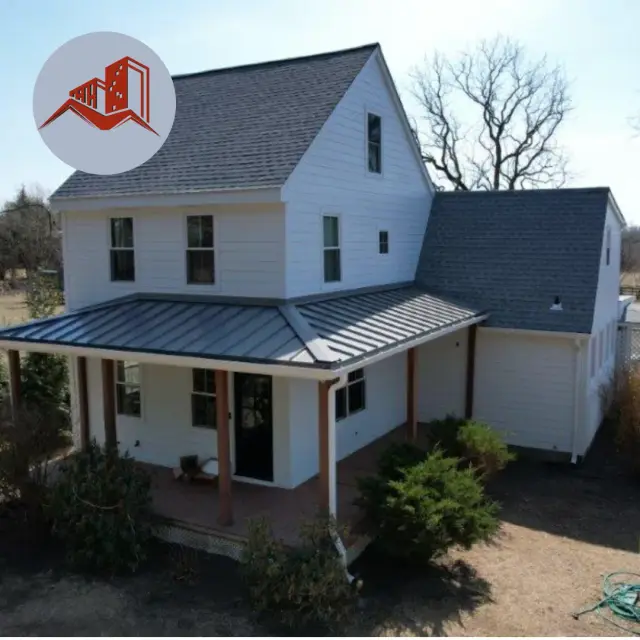
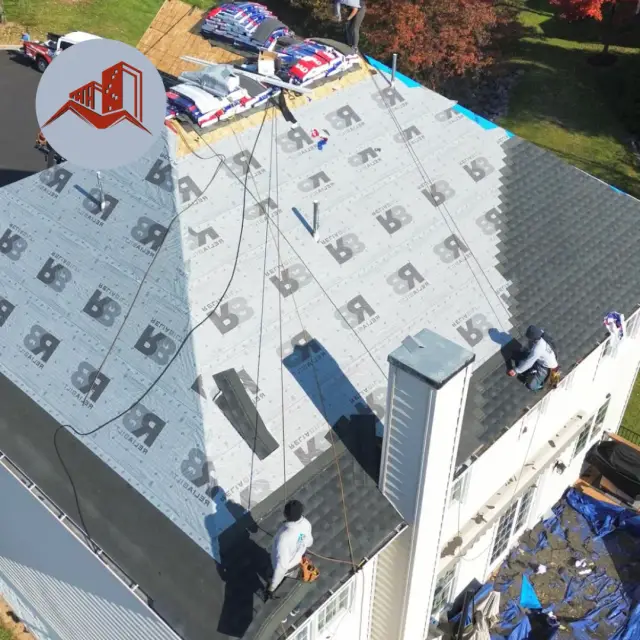
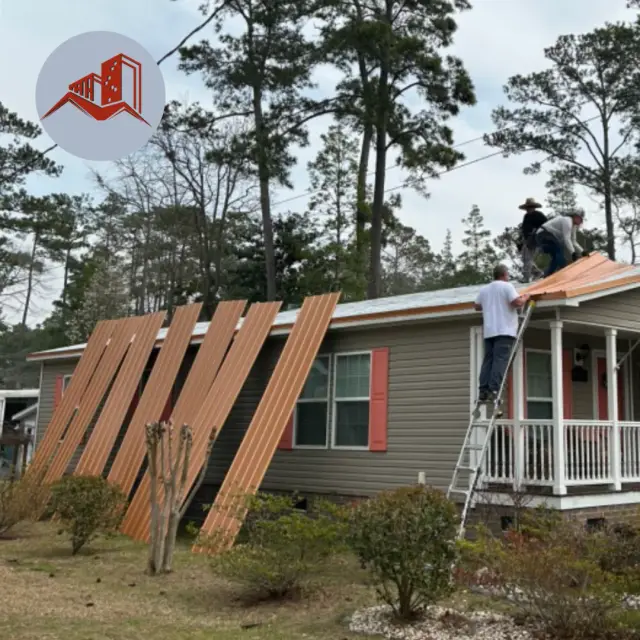
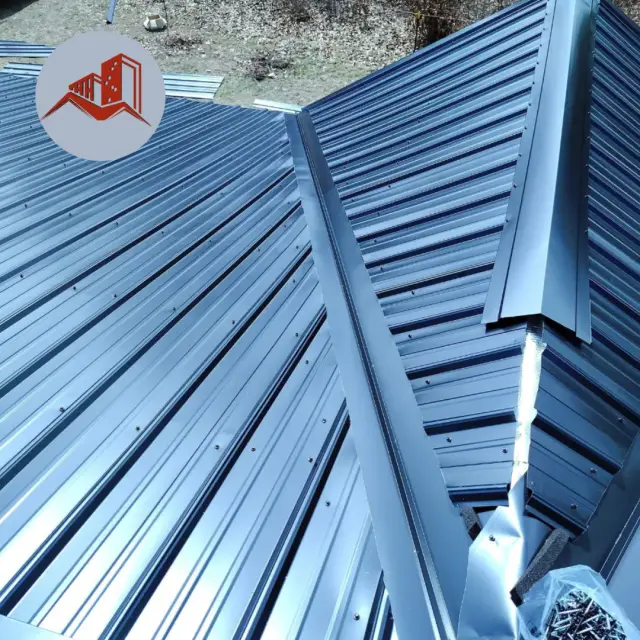
Replacement is the work Mondovi hands us most, and the tell is never one dramatic failure; it is a pattern, and the signals are listed below. Mondovi’s housing carries a specific signature, solid mid-century homes in the grid, tall farmhouses on the edges where the lots dissolve into farmland, and a re-roofing wave from the early 2000s now aging toward tear-off, and when the second leak shows up a valley away from the first, patching stops making sense and full replacement becomes the honest recommendation.
When a Mondovi roof comes due
The signals, in the order they usually show up on a Mondovi roof:
- Granules collecting at the downspout splash blocks after every rain
- Shingle edges curling on the southern exposure
- A repair last fall and another one needed this spring
- A second leak a valley away from the first
- Twenty years or more on asphalt laid in the early 2000s
The early-2000s asphalt across the city is reaching the 20 to 25 year mark where that pattern accelerates, and owners face the standard fork, another round of architectural asphalt or a step up to standing seam. The right answer differs between a shaded street downtown and an exposed rise outside town, and the difference is not just wind. The lots along the Buffalo River frontage sit with damp mornings and shade, which feeds the dark algae streaking on north-facing asphalt, so on those lots we spec the algae-resistant shingle lines the asphalt page covers by default, because a replacement that streaks in five years is a replacement half-done. On the exposed farmhouse sites, the argument runs the other way, toward steel.
Steel on the Buffalo County farmsteads
Outside the grid, Buffalo County is dairy and crop country, and the roofing language changes: ribbed exposed-fastener panels on machine sheds and barns, standing seam on the farmhouses that want to match. Panel systems out here fail at the fasteners first, the gaskets giving out years before the steel, so re-gasket visits and storm-bent panel swaps run as standalone jobs alongside full replacements, priced on the metal roofing page. Bundling the house tear-off with the outbuilding panel work in one mobilization trims 10 to 20% from the outbuilding side, which is why the first call should carry the whole roof inventory.
The Mondovi permit and the downtown fire district
The City of Mondovi’s ordinance requires a permit for building work, with only minor repairs valued under $100 exempt, so a replacement inside the city is a permit job through City Hall on South Franklin Street, and we pull it with the estimate. The ordinance adds a rule that matters on the older commercial and mixed-use blocks: inside the downtown fire district, roofing has to carry a Class B or better fire rating, and a roof there cannot be renewed piecemeal past a tenth of its surface without meeting that standard. Architectural asphalt and steel both carry Class A, so the rule changes the paperwork rather than the material. Township parcels around the city follow their own process, and Buffalo County’s dwelling-code ordinance does not regulate alterations to existing homes at all, so a rural re-roof is usually paperwork-free. Highway 37 makes the run about 30 minutes, farm access and dumpster placement around outbuildings are everyday logistics, and active leaks jump the queue.
Every town we work in has a different permit rule, and they sit side by side on the roof permits page.