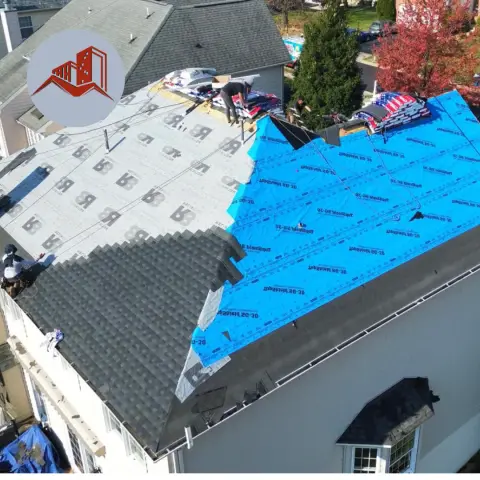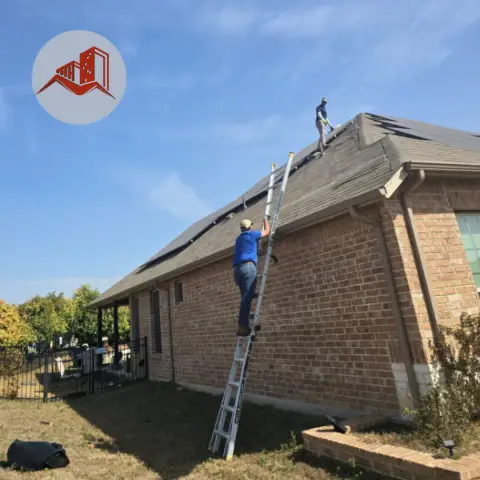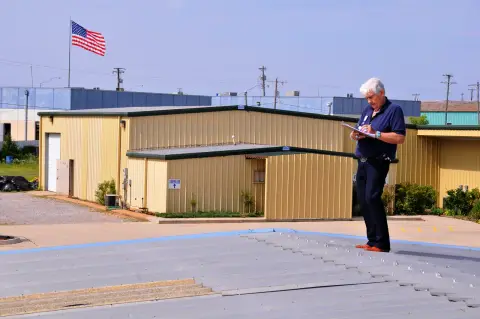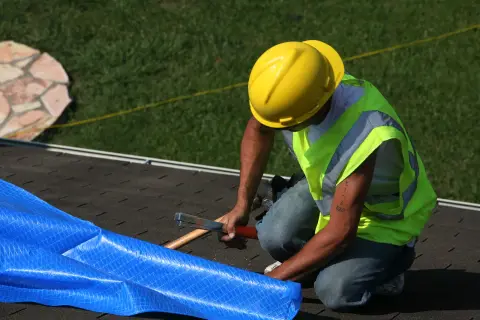

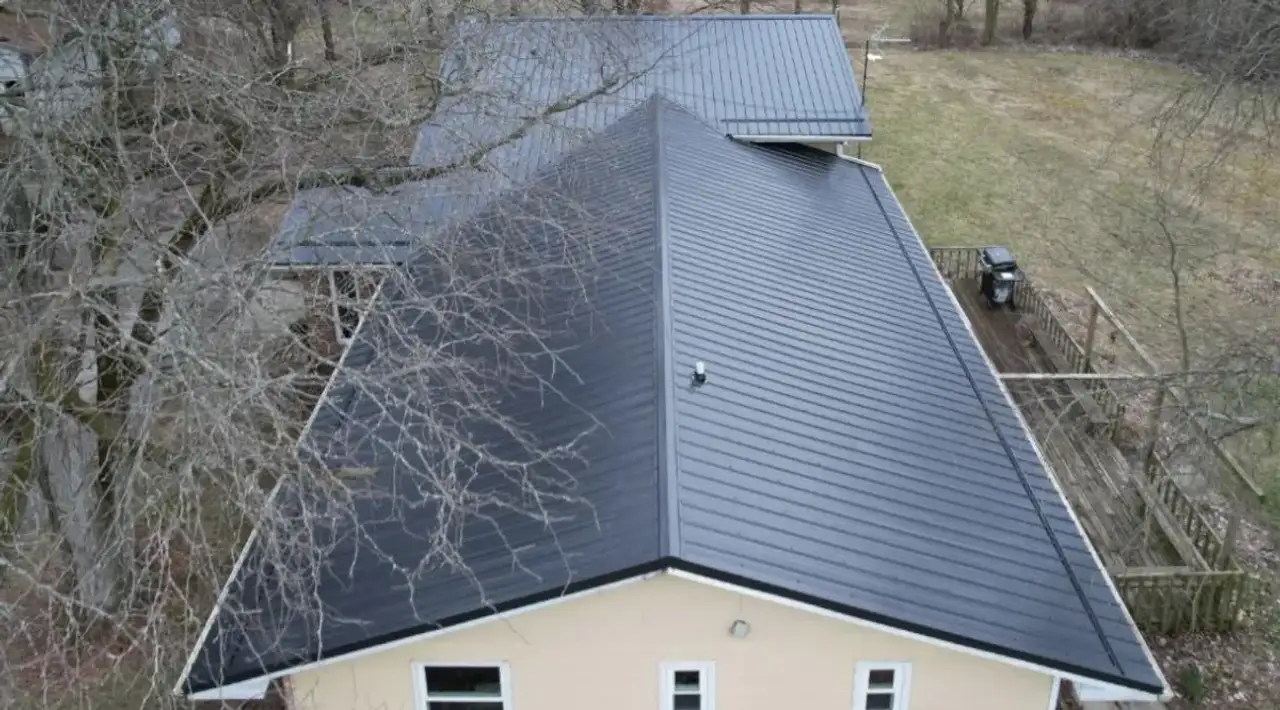
Bloomer, the self-proclaimed Rope Jump Capital of the World and the biggest of our northern satellite markets at about 3,600 people, is where our metal work concentrates. The reason is the landscape: Town of Bloomer farmland wraps the city with barns, machine sheds, and pole buildings that run on ribbed steel, and the exposed rural home sites out there are exactly where standing seam beats asphalt on the long math. Our metal roofing crews run Highway 53 north to Bloomer year-round.
Steel where steel wins
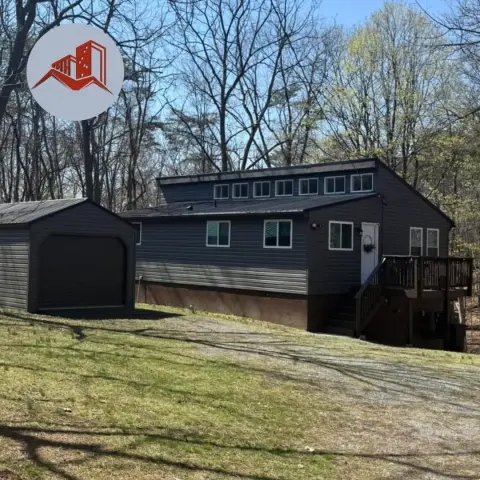
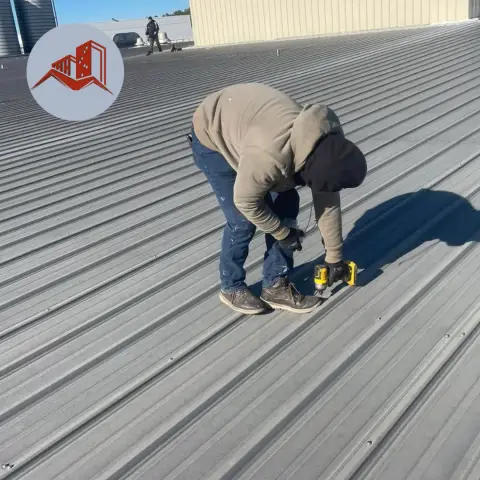
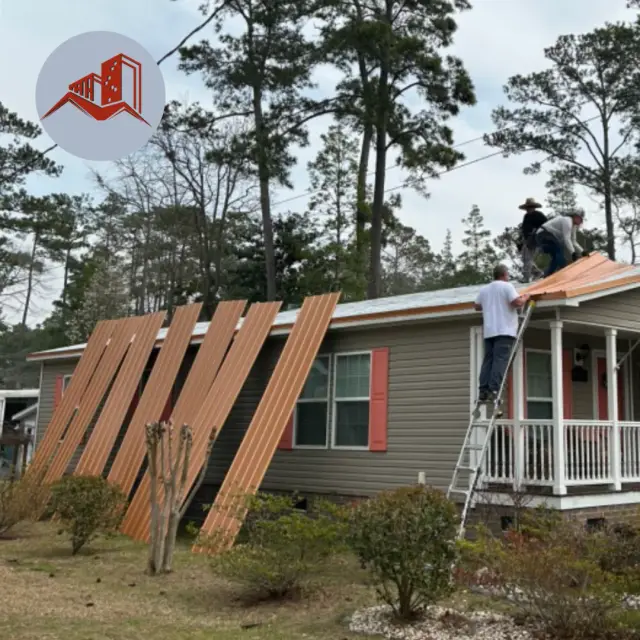
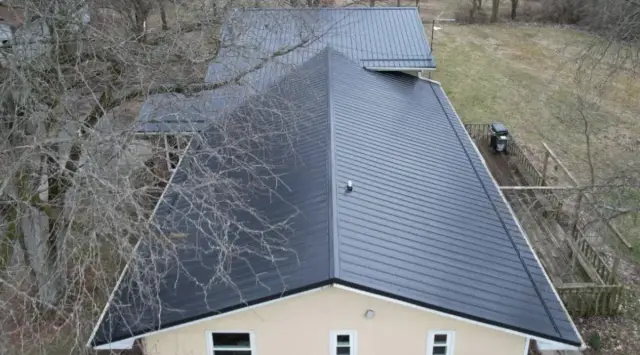
The farm belt sets the rhythm. Ribbed exposed-fastener panels cover the working buildings at $3-$8 per square foot, and their maintenance cycle is fastener-driven: gaskets fail at 15-20 years while panels serve twice that, so re-gasket passes are the high-value visit that keeps hay and equipment dry without a re-skin. On farmhouses and newer rural builds, standing seam converts the same logic into a residential upgrade: concealed fasteners, 40-plus-year service life, clean snow shedding, and wind behavior that exposed open-country sites appreciate. Snow guards go over entries and fuel tanks, because steel sheds winter in slabs.
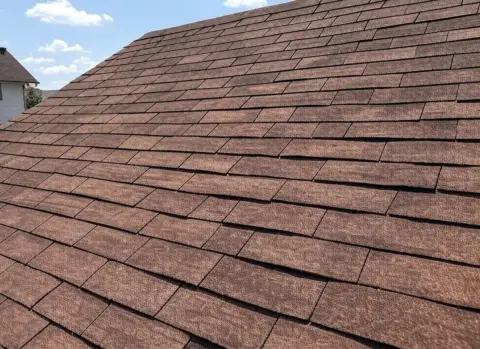
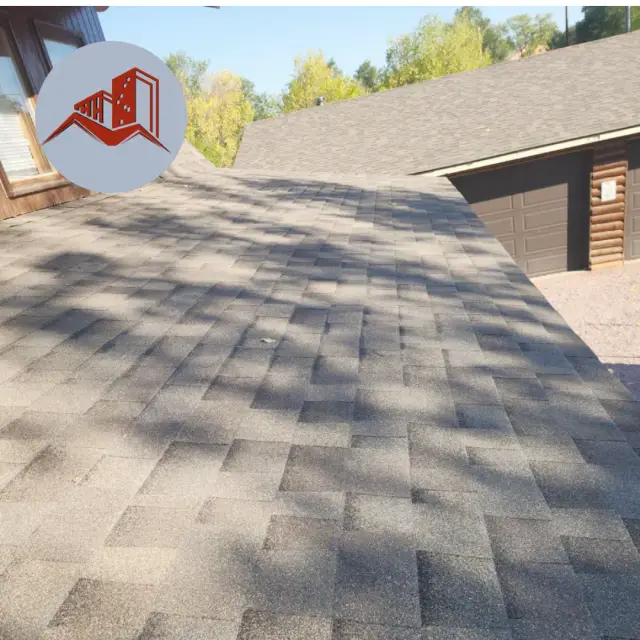
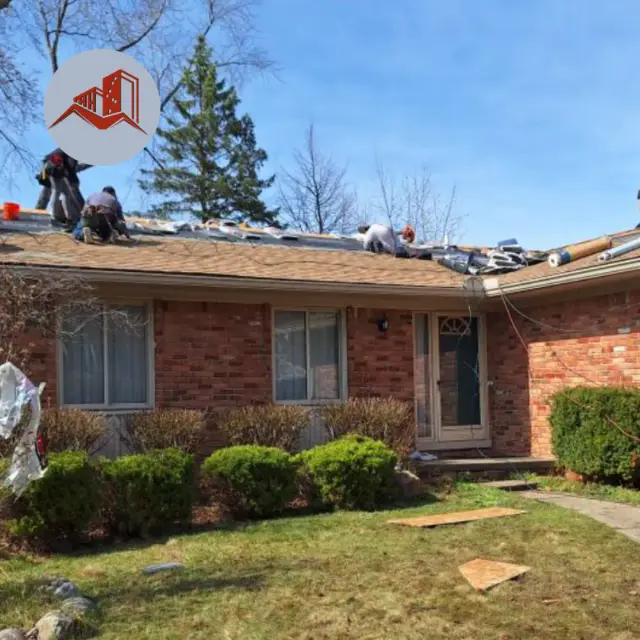
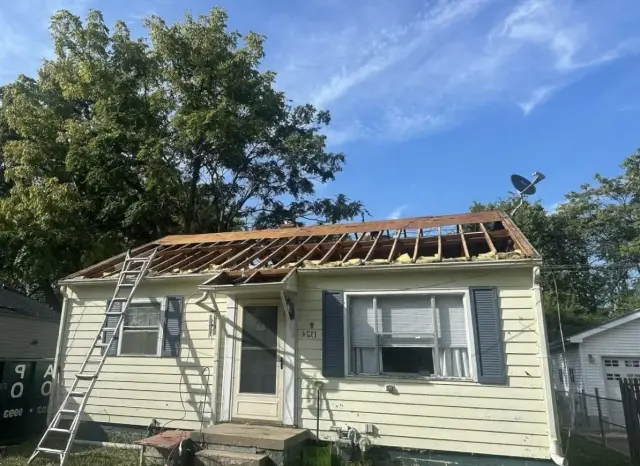
In town, the calculus shifts. Bloomer’s older residential streets west of downtown and around the core carry mid-century and earlier homes, bungalows, modest single-family stock, the occasional Victorian, where architectural asphalt remains the sensible replacement on most blocks. The early-2000s shingle generation is aging out now, and replacement decisions here usually come down to whether the owner wants one more asphalt cycle or the last roof they’ll ever buy.
Around the lake and along the corridor
Lake Bloomer and Duncan Creek shape the city center: lake-adjacent homes carry modest extra wind exposure (nothing like the big-water effect on Lake Wissota, but enough to justify six-nail fastening), and low, damp lots grow the algae streaking that argues for AR shingles on shaded slopes. The Highway 53 / Highway 40 corridor at the north end runs Bloomer’s retail and service commercial on membrane systems we maintain and replace at $8-$18 per square foot, scheduled around business hours.
Downtown’s pre-1960 stock adds the classic northern-Wisconsin issue: under-insulated, under-vented attics that build February ice dams. Ventilation correction rides along with re-roofs on those homes, because new shingles over an unbalanced attic just schedules the next problem.
Bloomer pricing
Standing seam on a typical 1,800-2,500 sq ft home: $14,000-$25,000. The same home in architectural asphalt: $9,000-$16,000. Compact older homes: $5,500-$10,000 asphalt. Outbuilding steel: $3-$8 per square foot, with the 10-20% bundling discount when house and outbuildings share one mobilization. Commercial membrane: $8-$18 per square foot. Repairs: $300-$600 wind work, $400-$1,200 flashing, $1,200-$2,500 valley rebuilds, $500-$1,500 fastener refreshes.
Working Bloomer
The run is 25 minutes up Highway 53 through Lake Hallie and Chippewa Falls, a standing route on our north-corridor schedule. City replacements take a Bloomer permit (ours to pull); rural parcels follow Town of Bloomer or county process. Farm access, gravel drives, and staging around livestock operations are ordinary conditions for our crews. Lead times: 4-8 weeks peak, 1-3 shoulder, with storm and active-leak calls jumping the line.
Whether it’s a standing seam quote, a barn re-skin, or one more asphalt cycle on the bungalow: (715) 245-5271, or the form below.