Cadott sits 19 miles northeast of our Eau Claire base, about 25 minutes east on Highway 29. The village’s population is roughly 1,500, with a substantial surrounding rural population in the Town of Cadott and the agricultural townships that fan out along the Yellow River. The roofing landscape here is what you’d expect for a small farming village — a downtown core anchored by the Highway 27 / Highway 29 intersection, older residential stock on the streets ringing the core, and a substantial surrounding agricultural area where metal-panel roofing on barns, equipment sheds, and outbuildings is real ongoing demand. We work all of it.
Roofing in Cadott
Cadott’s roofing mix is dominated by two categories.
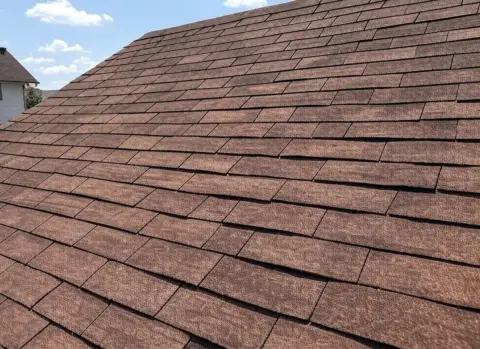
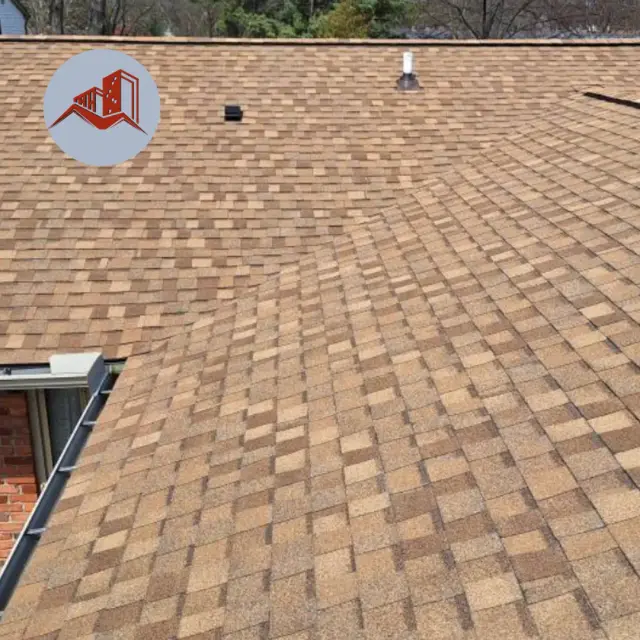
Residential stock in and around the village is mostly mid-century and earlier — modest single-family homes, smaller bungalows, occasional larger farmhouses on the edges of the village. These homes follow the standard small-town Wisconsin roofing patterns: architectural asphalt at end-of-life replacement timing, occasional ventilation correction during re-roof, repair work on flashing failures and storm damage. Most of the village’s residential stock had its last replacement somewhere between 2000 and 2010, which puts a meaningful share at end-of-life right now.
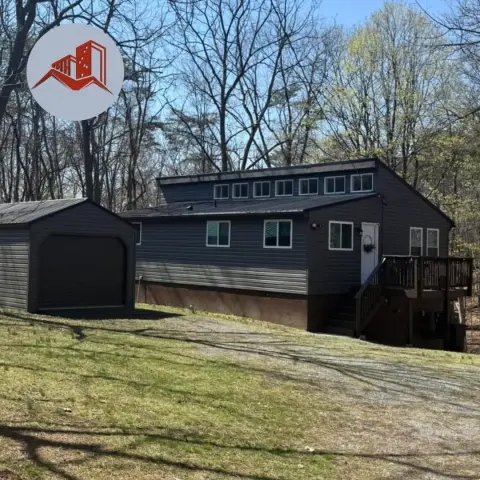
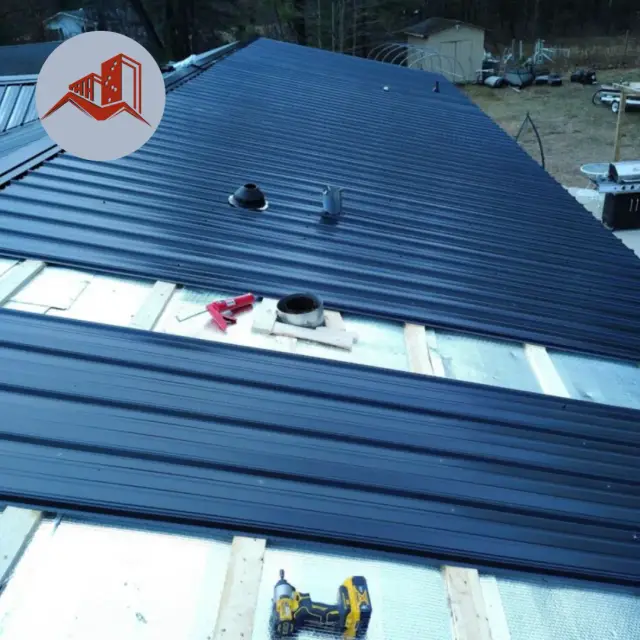
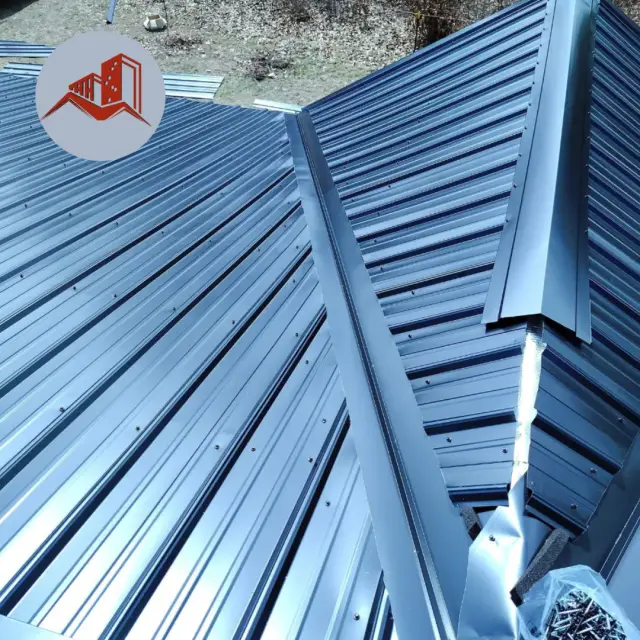
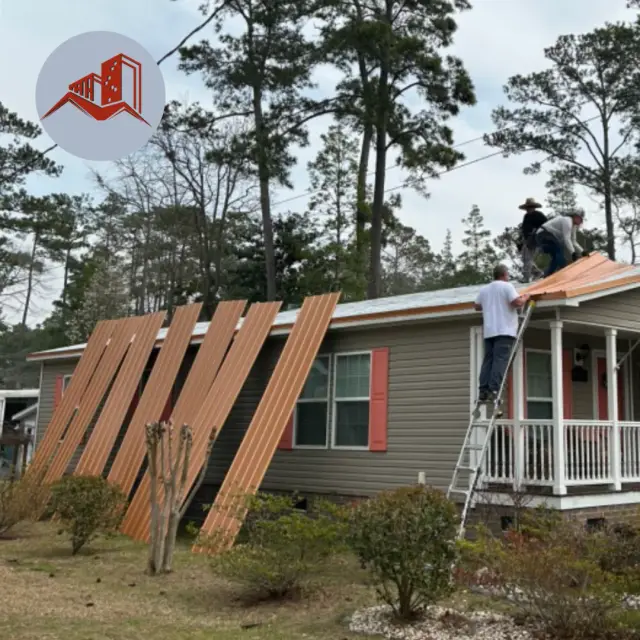
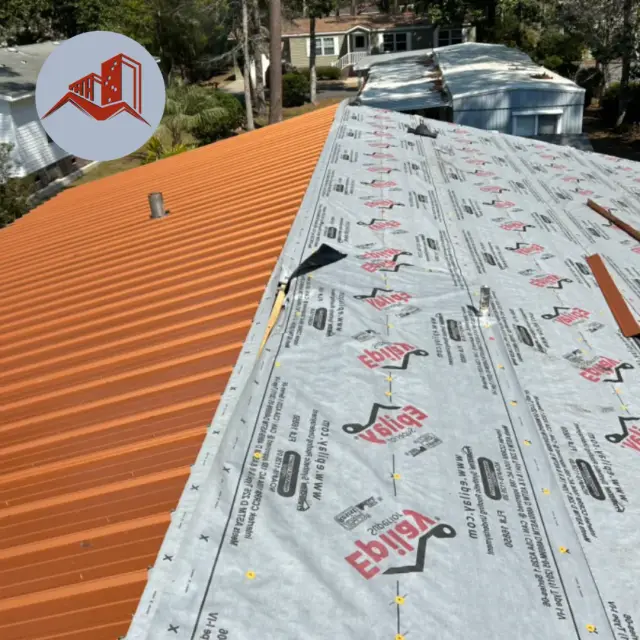
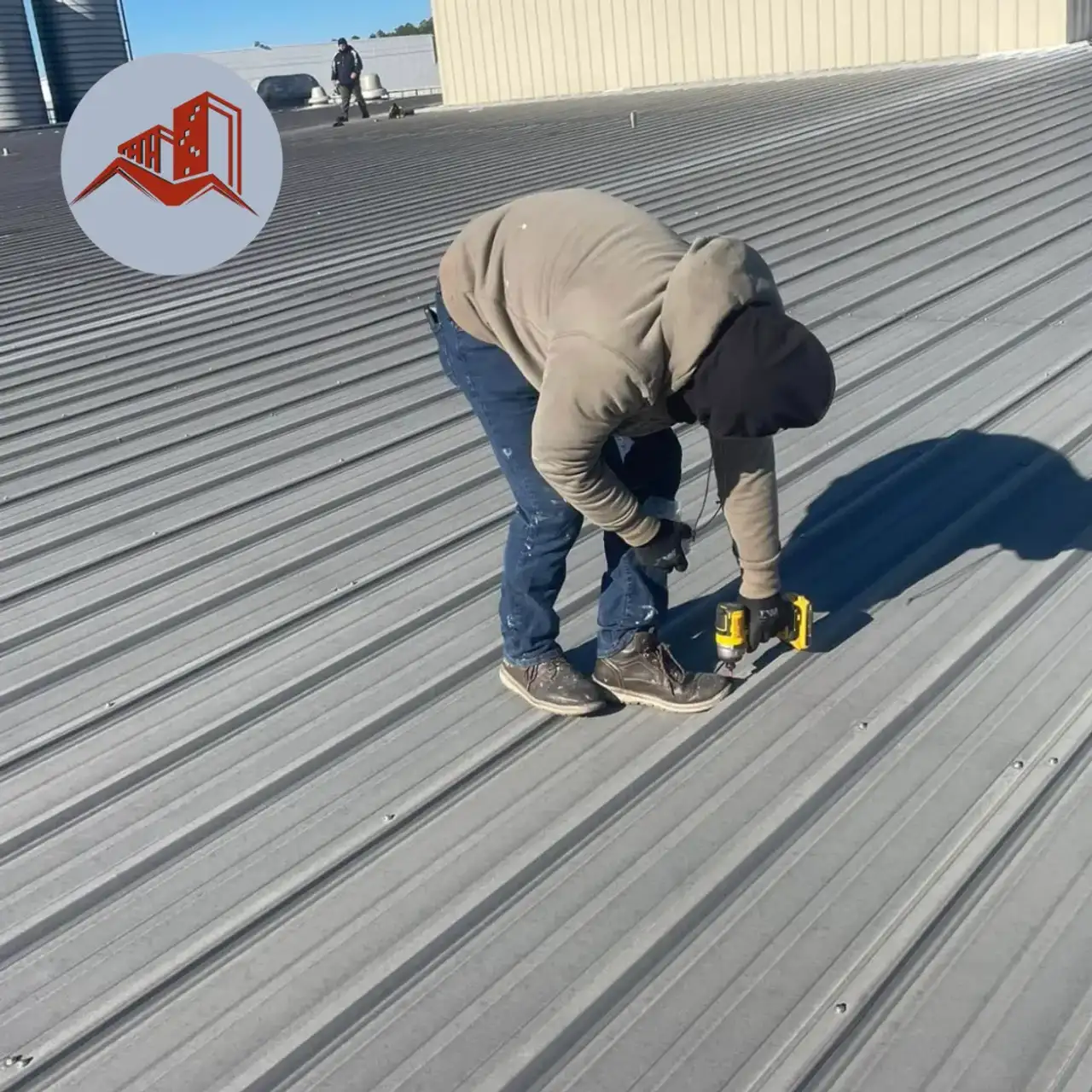
Agricultural and outbuilding work is a bigger share of the work in this area than in suburban markets like Altoona or Lake Hallie. Cadott’s agricultural surroundings — dairy farms, equipment storage, machinery sheds, pole barns, and detached outbuildings — produce steady demand for metal-panel roofing. Exposed-fastener ribbed metal is the standard product on most agricultural roofs in this area; standing-seam metal makes sense on residences and on visible outbuildings where appearance matters more than budget. Pole-barn re-roofing is its own category — exposed-fastener panel replacement, often paired with skylight panel updates and edge-flashing renewal.
Small commercial work along the Highway 27 / Highway 29 intersection — convenience stores, restaurants, small retail, the truck stop at the southwest corner of the highway intersection — runs the standard small-commercial mix. TPO and EPDM membrane on flat-roof commercial, modified bitumen on roofs that see HVAC traffic.
The mix tilts more toward agricultural and rural roofing than the suburban-dominant Tier 1 markets. That’s just what the surroundings produce.
Neighborhoods we serve in Cadott
Cadott has a small footprint — most addresses in the village are within a few blocks of the Highway 27 / Highway 29 intersection. We work the village in its entirety, plus the surrounding Town of Cadott and outlying rural addresses:
Downtown Cadott — the village’s commercial core along the highway intersection, plus the older residential streets that ring it. Most of the older single-family stock in Cadott is in this area.
Highway 27 / Highway 29 commercial intersection — the village’s small commercial corridor including the Wisconsin Veterans Tribute at the southwest corner of the intersection (a 45th-parallel marker that’s a recognizable village landmark). Retail, restaurants, automotive service, the truck stop.
Yellow River frontage — properties along the river that runs through the area. The Yellow River was the location of Jean Baptiste Cadotte’s late-1700s trading post — the village’s historical namesake — and river-adjacent residential carries some moisture-related considerations on roofing, particularly algae growth on shaded slopes.
Surrounding farmland (Town of Cadott) — rural addresses with farmhouses, outbuildings, equipment storage, and pole barns. Metal-panel roofing is the standard product. We handle bundled projects regularly.
Country Fest grounds vicinity — properties in the area surrounding the festival grounds (roughly eight miles outside the village proper). Residential and rural mix, with occasional commercial properties supporting the festival traffic.
Common roofing issues in Cadott
Cadott homes face the standard Wisconsin freeze-thaw cycle plus considerations specific to small-town and rural roofing.
End-of-life replacement on 2000-2010 vintage roofs. A significant share of Cadott’s residential stock had its last replacement in the early to mid-2000s, which puts much of the village right at the end-of-life mark for 25-year asphalt right now. The questions for these homeowners are typical: same architectural shingle, premium product, or step up to metal.
Wind damage on rural and exposed properties. Cadott sits in flat-to-rolling agricultural land where windbreaks are sparser than urban Eau Claire. Rural homes and outbuildings face stronger sustained wind exposure. Wind-rated shingles, properly nailed (six nails per shingle), make a real difference on exposed sites. Pole barns and large outbuildings face direct wind on the long elevations and need proper edge-metal detail to keep wind from getting under the panels.
Hail damage from the 2025 spring storm season. The April 28, 2025 outbreak in Eau Claire County and the May 15, 2025 hail event hit Chippewa County widely. Cadott roofs from those events are still being inspected through 2026. Wisconsin allows 12 months from the storm date to file a claim, so the May 15, 2025 event is within the claim window through May 2026.
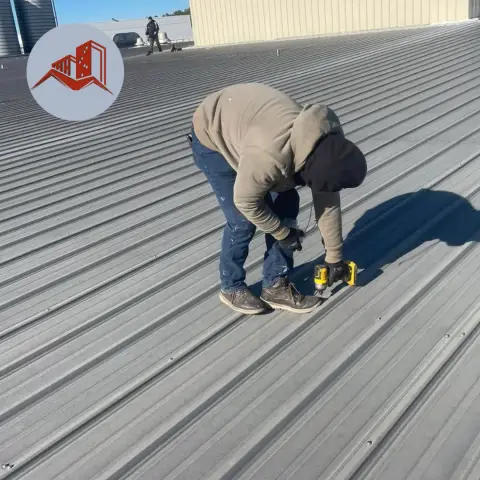
Outbuilding fastener degradation. Exposed-fastener metal panels can last 30-40 years, but the rubber gaskets on the fasteners themselves degrade in 15-20 years and start leaking around the screws. Outbuilding fastener replacement is its own service — we do panel touch-ups and full fastener replacement as standalone work, often paired with the main residence’s re-roof.
Algae streaking on shaded slopes. Yellow River-adjacent properties and homes with mature canopy on shaded streets often develop dark vertical streaking on north-facing or shaded asphalt shingle slopes. Replacement on these homes warrants algae-resistant (AR) shingle products with copper or zinc granules to suppress the algae growth.
What it costs to roof a home in Cadott
Cadott pricing tracks our Eau Claire pricing closely. The 19-mile distance has no meaningful operational impact on cost.
Typical residential replacement on a 1,500-2,200 sq ft Cadott home runs $8,000-$15,000 for architectural asphalt and $13,000-$22,000 for standing seam metal.
Smaller modest single-family stock common in older Cadott (often 1,000-1,500 sq ft) runs $5,500-$10,000 for asphalt.
Larger farmhouses with more complex rooflines and multi-story footprints run $12,000-$22,000 for asphalt depending on size and pitch.
Agricultural outbuildings — barns, machine sheds, pole buildings, equipment storage — run $3-$8 per square foot for exposed-fastener metal on a re-roof depending on size and accessibility. Bundling outbuildings with a primary-residence re-roof typically saves 10-20% on the outbuilding portion compared to mobilizing separately.
Targeted repairs: $300-$600 for single-shingle wind repair, $400-$1,200 for failed flashing, $500-$1,500 for outbuilding fastener replacement and panel touch-ups.
Working in Cadott specifically
Logistics for Cadott jobs:
Drive time: about 25 minutes from our Eau Claire base, mostly east on Highway 29. Same-day emergency tarp service for active leaks is realistic during business hours.
Permitting: the Village of Cadott requires building permits for full roof replacements within village limits; we pull these as part of the job. Rural addresses in the Town of Cadott or surrounding townships follow township permitting depending on the parcel. Targeted repairs typically don’t require permits unless structural decking work is involved.
Festival timing: the Country Fest and Rock Fest weekends in late June and mid-July produce traffic spikes on Highway 27 and Highway 29. We schedule larger Cadott jobs around festival traffic when possible — dumpster placement and material delivery during festival weekends adds friction we’d rather avoid.
Agricultural property access: rural addresses sometimes require gravel-driveway or pasture access better suited to specific equipment. We adapt where needed and protect landscaping during dumpster placement.
Outbuilding bundling: if you’re re-roofing the house and want to address barns, sheds, or pole buildings in the same mobilization, mention it on the initial call so we can scope and price the bundle together. Bundled projects usually run 10-20% cheaper than mobilizing separately.
Timing: Cadott is part of our regular northeast-corridor schedule. Lead times match Eau Claire’s: 4-8 weeks during peak summer and fall, 1-3 weeks in shoulder seasons. Storm-damage and emergency work jumps the queue.
If your roof needs work in Cadott, call (715) 245-5271 or use the form below.