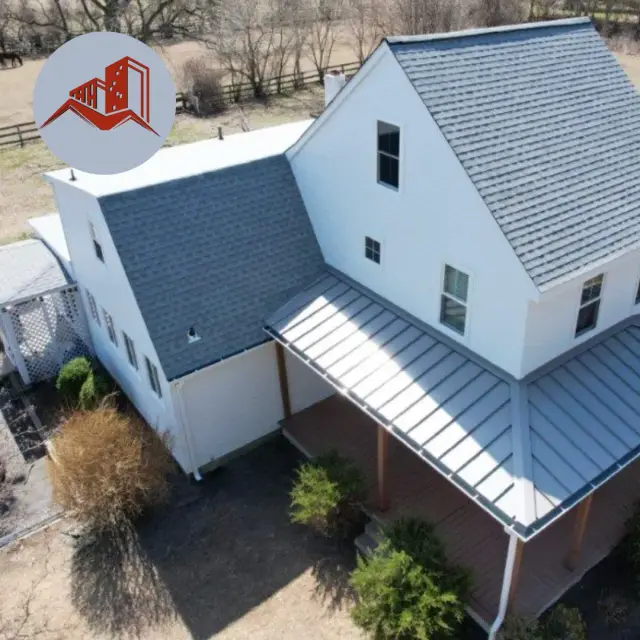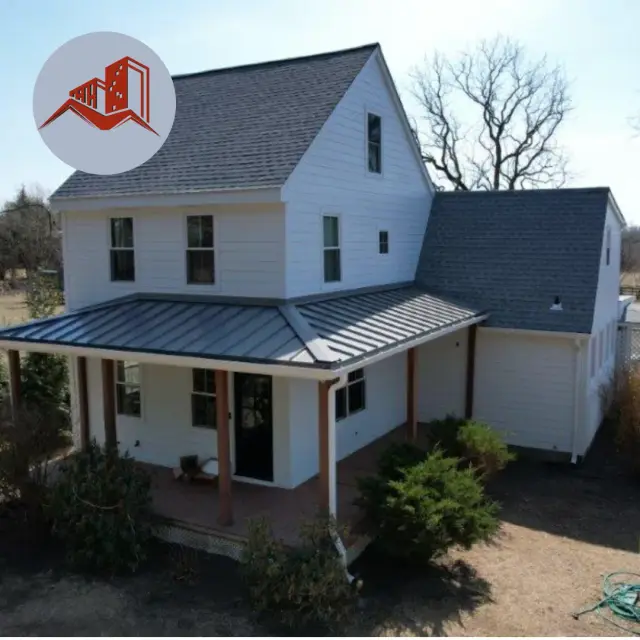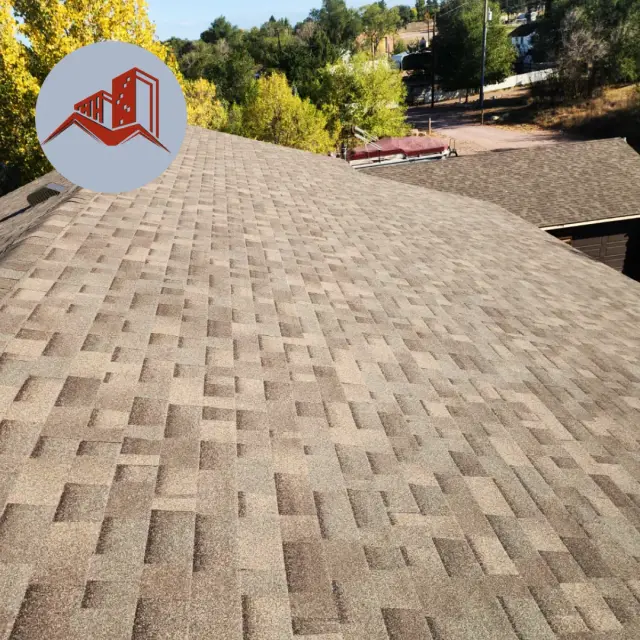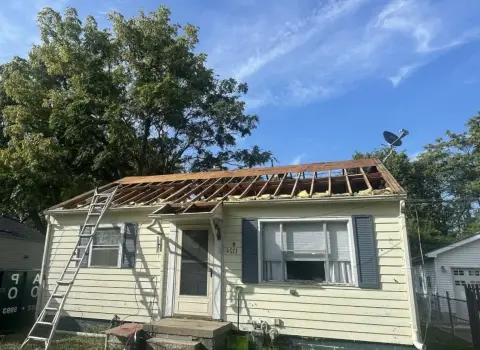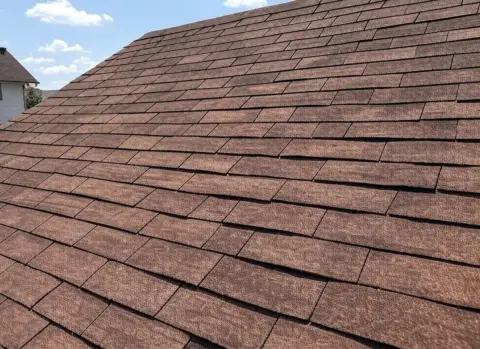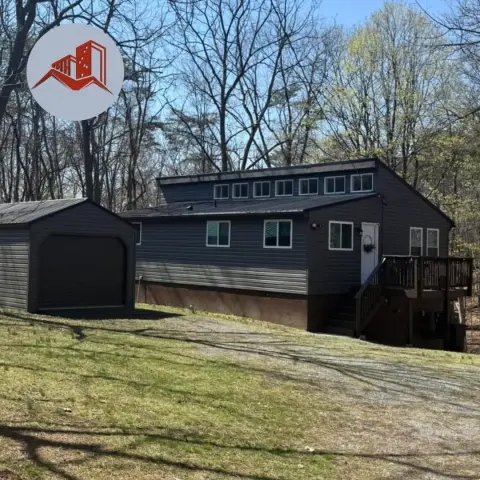

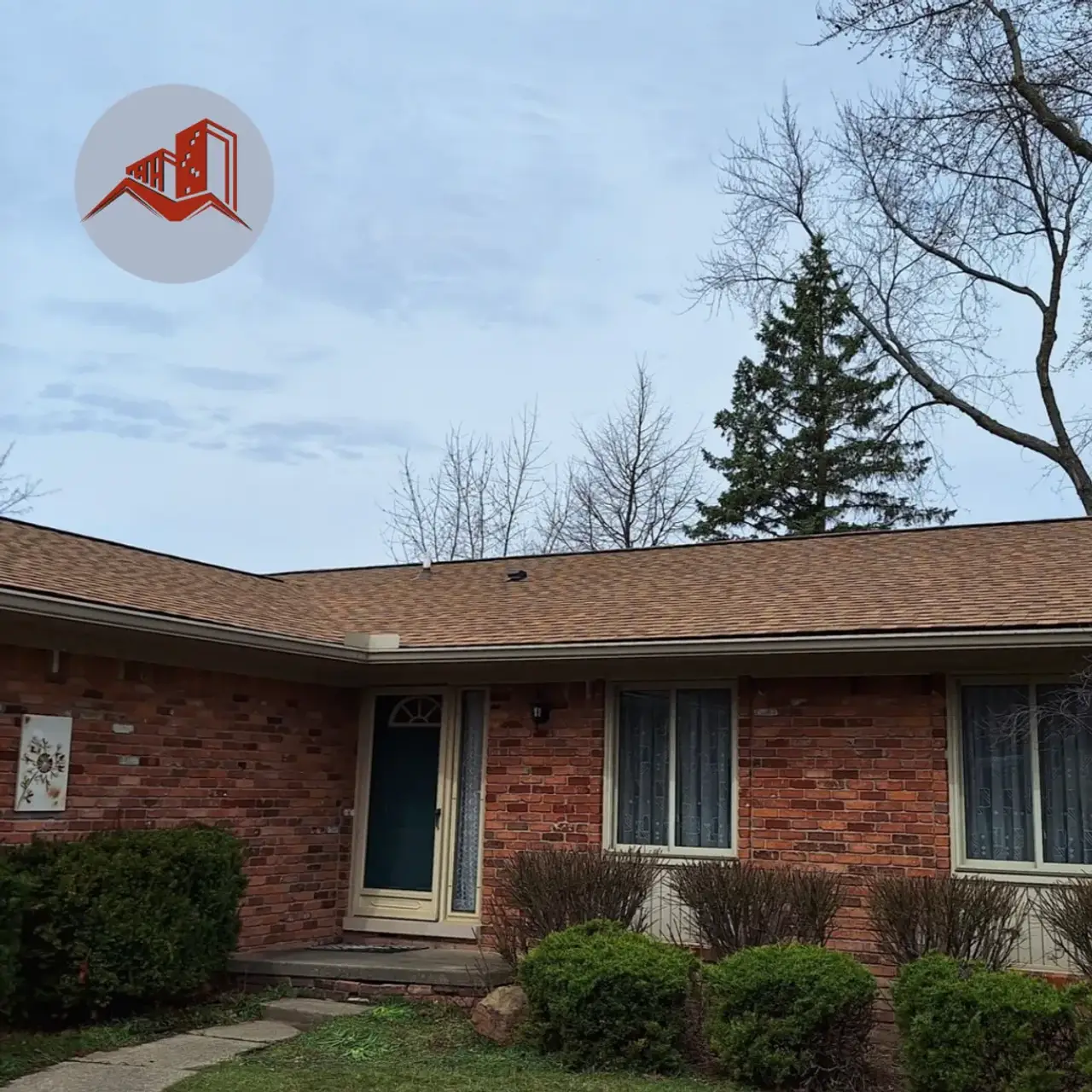
“Residential roofing” is the catch-all that covers everything we do for homeowners — replacement when an existing roof needs to come off, repair when it doesn’t, new construction roofing for builders, storm response after a major weather event, and the small-but-important details like skylight replacement, ventilation upgrades, and gutter coordination. If you live in a house in the Chippewa Valley and the roof is involved, we probably handle it.
This page is the high-level overview. For the deeper detail on specific situations, follow the links to the focused service pages — the depth lives there.
What “residential roofing” covers
In practice, residential roofing for an Eau Claire homeowner usually breaks into one of these categories:
- Full roof replacement. The big one. End-of-life on the existing roof, or major storm damage that totals it. Typical project for a Chippewa Valley home runs $9,000–$25,000 depending on size, material, and complexity. See Roof Replacement for the deep version.
- Targeted repair. A leak that needs finding and fixing, missing shingles after a wind event, failed flashing around a chimney or skylight. Most repairs run $300–$3,500. See Roof Repair.
- Storm damage assessment and repair. Hail, wind, fallen tree, ice damming. Free inspection, insurance documentation, and the repair itself. See Storm Damage.
- Emergency response. Active leaks, branches through the roof, sudden urgent damage. We tarp it, stop further damage, and schedule the proper fix. See Emergency Repair.
- New construction. For builders putting up new homes, we install per-spec roofing as part of the build. Asphalt is most common, metal increasingly requested.
- Material upgrades. Customers replacing aging asphalt with metal, adding skylights, or fixing inadequate ventilation as part of an interior remodel.
Most residential roofs in Eau Claire
The Chippewa Valley housing stock is mostly:
- Asphalt shingle. 80%+ of homes in the area. Architectural shingles dominate replacements; older 3-tab still common on roofs not yet replaced. See Asphalt Shingle Roofing for material details.
- Metal roofing. Growing share, especially on rural properties, modern home designs, and high-end residential. Standing seam is the premium residential choice. See Metal Roofing.
- Mixed systems. Many homes have an asphalt main roof with metal or flat sections (porches, additions, sunrooms). Each section gets the right material for its slope and exposure.
- Flat sections. Porch roofs, addition connectors, modern-design flat roofs. Modern membrane systems (TPO, EPDM) replace old built-up tar systems. See Flat Roofing.
For most replacement decisions, the choice comes down to asphalt vs metal — and for most homeowners on most homes, asphalt is the right answer. Metal is the better long-term value for owners staying long-term in homes where the architecture suits it.
How we work with homeowners
The process from “I’m thinking about my roof” to “the roof is done” looks the same on every project:
- Free estimate visit. We come out, walk the roof if it’s safe, photograph what we find, and put together a written estimate. Usually within 1-3 business days from when you call.
- Itemized quote. You get a written quote that breaks out tear-off, decking, underlayment, shingles, flashing, ventilation, cleanup, and dump fees as separate line items. No “miscellaneous” or hidden upcharges.
- Material selection. If you’re choosing materials (color, brand, warranty tier), we bring physical samples to look at against your siding in real sunlight. The sample boards in a brochure don’t match the look on a real roof.
- Scheduling. Lead times depend on season — 4-8 weeks during peak summer/fall, 1-3 weeks in winter and early spring. Storm-response and emergency work jumps the line.
- The work. Crew arrival, dumpster, tear-off, installation, daily cleanup, magnetic sweeper at the end. Most replacements take 1-2 days; larger or more complex roofs run 3-5.
- Final walkthrough. Before the job is closed, we walk the property with you, point out what was done, and confirm you’re satisfied. Warranty paperwork and final invoice at that point.
Working with builders
For new construction roofing, we work with home builders in the Eau Claire area on production residential and custom builds. The things that matter for builder relationships:
- Reliable scheduling. Builders need their trade timing predictable. We give realistic dates and hit them.
- Per-spec installation. If the architectural plans call for specific shingle, ventilation, or detail specs, we build to those.
- Trade coordination. We sequence around framing/sheathing (which happens before us) and gutters/siding finish (which can happen before or after us depending on flashing details).
- Punch-list responsiveness. Punch-lists at the end of a build need quick turnaround so the builder can close out.
For builders interested in working with us, the simplest first step is a phone call. We can talk through how we typically work, our crew capacity, and pricing for typical residential builds.
For homeowners — whether you need a single-shingle repair or a full replacement, the starting point is the same. Free estimate, written quote, honest assessment of what your roof actually needs. Call (715) 245-5271 or send a message via the form below.
Choosing a residential roofing contractor
Most homeowners hire one roofer in 20 years. The decision is mostly opaque — pricing varies wildly, the work happens on a roof you’ll never inspect, and the warranty matters in ways you only find out years later. A few practical filters.
Verify three things up front. A current Wisconsin contractor’s license (or whatever the trade-license requirement is in your jurisdiction). Insurance certificate showing both general liability and workers’ compensation. A local presence — a real address, not a P.O. box, in or near your area. Insist on seeing the documents; reputable contractors hand them over without hesitation.
Red flags. Door-to-door pitches in the days after a major storm — that’s storm-chaser behavior. Insistence on a contract signature today, with a “discount that vanishes by tomorrow.” Wildly low estimates (more than 25% below the others) usually mean an incomplete scope or a corner-cutting installation. High-pressure sales managers separate from the actual estimator. Anything that feels rushed.
Green flags. Detailed written estimate with itemized line items and named manufacturer products. Free inspection without pressure to sign. A real Google Business Profile with reviews from real customers (look at the dates — a flood of 5-star reviews in one week is suspicious). BBB accreditation. Willingness to provide references for work in your specific area.
Reading the estimate. A real estimate breaks out tear-off + dump fees, decking allowance (how many sheets of plywood are priced for replacement before extra charges kick in), underlayment specification, ice and water shield coverage area, drip edge, starter strip, field shingle product and color, hip and ridge cap, ventilation work, and cleanup. If any of those are missing or buried in a “miscellaneous” line, ask for the breakdown. Two estimates with similar bottom-line prices can have very different scopes underneath.
Multiple bids are normal. Expect 10-25% spread between honest bids on the same scope. Wider spreads usually mean different scopes. The cheapest bid that excludes critical items isn’t actually cheaper — it’s a setup for change orders mid-project.
Payment structure. Don’t pay more than 25-50% upfront. Final payment on completion, not before. The reputable contractors are fine with this; the ones asking for 90% upfront are red-flag territory.
At the end of the job: all warranty paperwork in your hands, manufacturer warranty registration confirmed (often with a confirmation number you can verify on the manufacturer’s website), and photo documentation of the work — at minimum the underlayment in place, ice and water shield in valleys and at eaves, and the finished surface from multiple angles. If a roofer doesn’t provide these, you don’t have what you’ll need if there’s a problem in year three.