
Colfax knows weather. The village sits on the Red Cedar River in Dunn County, 24 miles northwest of our shop on a straight Highway 40 run, and Dunn County is written into the storm history this site documents: the April 28, 2025 tornado outbreak crossed Eau Claire and Dunn counties, and the May 15, 2025 hail event swept the same region. When a system like that moves through, our Colfax work turns into storm damage claims season: inspections, photo documentation, adjuster meetings, and the repairs that follow.
The storm playbook for Colfax roofs
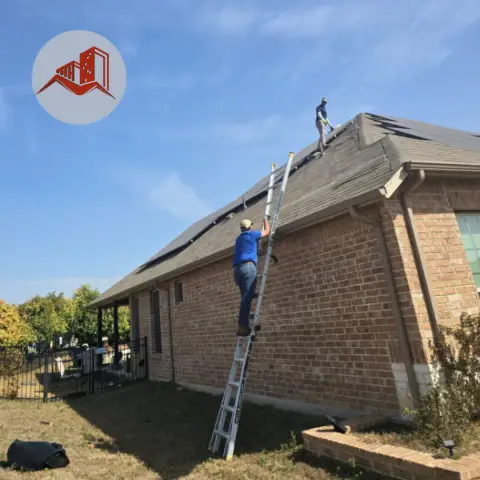
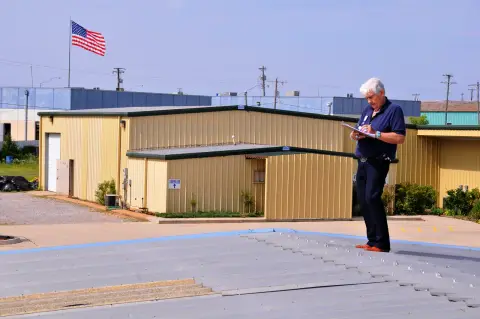
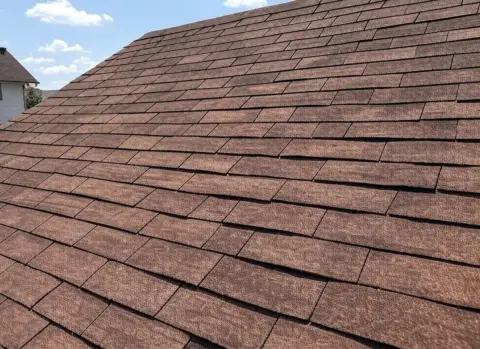
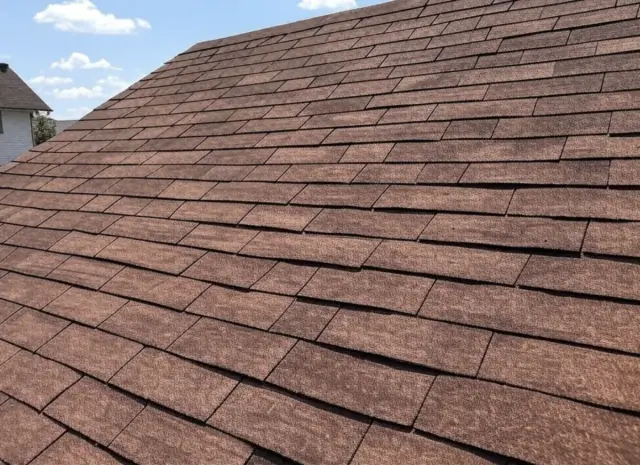
Hail rarely announces itself here. It bruises shingle mats without tearing them, and the evidence surfaces slowly: granules collecting in gutters, dark spots that soften underfoot, streaking that looks like age but maps to one storm date. The playbook that protects Colfax homeowners is documentation-first. We walk every slope, photograph impact patterns and the dented soft metals that corroborate them, and produce the written report your carrier’s adjuster responds to. Wind tells a different story on the exposed ground outside the village, where sparse windbreaks let gusts crease tab rows and peel edge shingles in a recognizable directional pattern.
The clock matters as much as the evidence: Wisconsin allows 12 months from the storm date to file, which carries May 2025 hail claims into May 2026 and no further.
Between storms: the everyday work
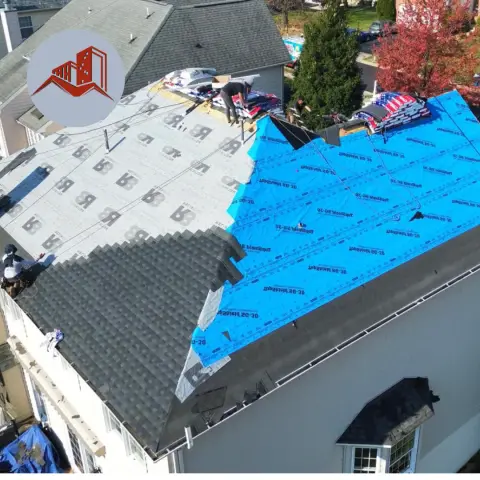
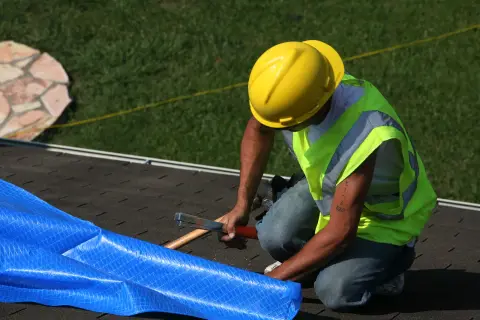
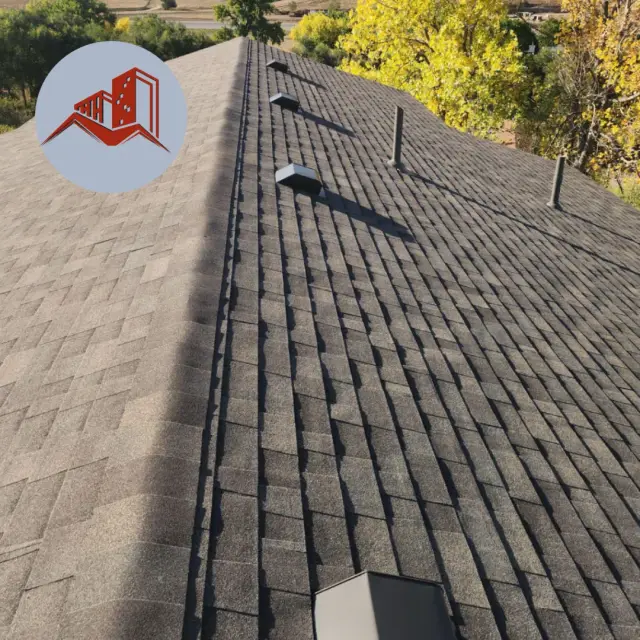
Most days Colfax is ordinary roofing territory, and the village’s building stock keeps it interesting. The historic core around Main Street carries late-1800s and early-1900s homes whose hips, dormers, and steep valleys demand flashing craft that newer construction never asks for. The village edges hold mid-century single-family stock whose early-2000s shingles are reaching the end of the runway, standard roof repair and replacement territory. Along the river, damp mornings feed algae streaking on shaded slopes, so we spec algae-resistant shingles near the water. And the Highway 40 frontage carries the village’s modest commercial line, from small retail up to the Colfax Railroad Museum’s traditional pitched roofs.
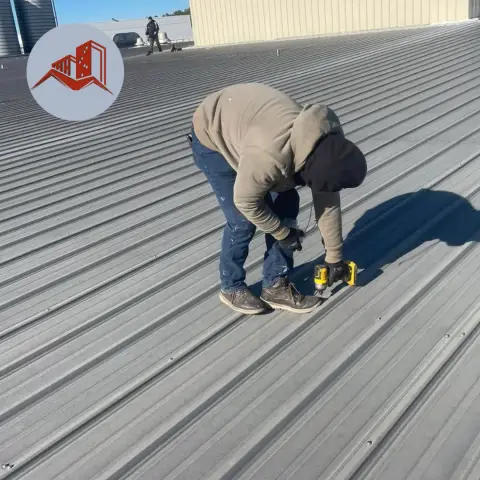
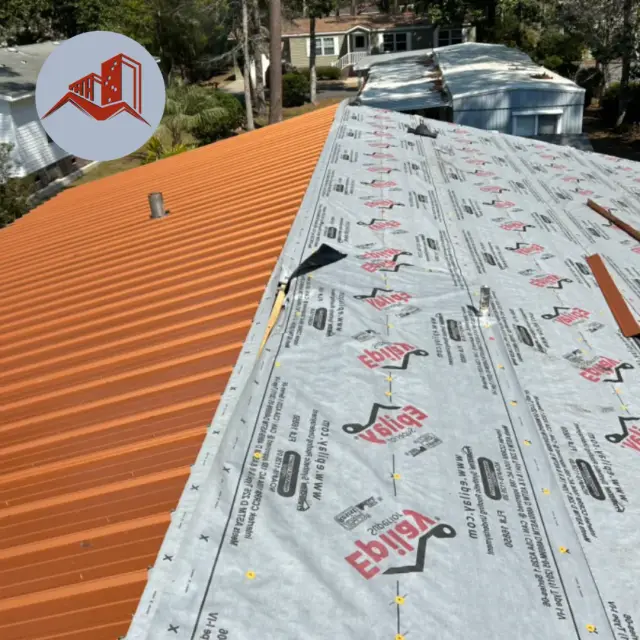
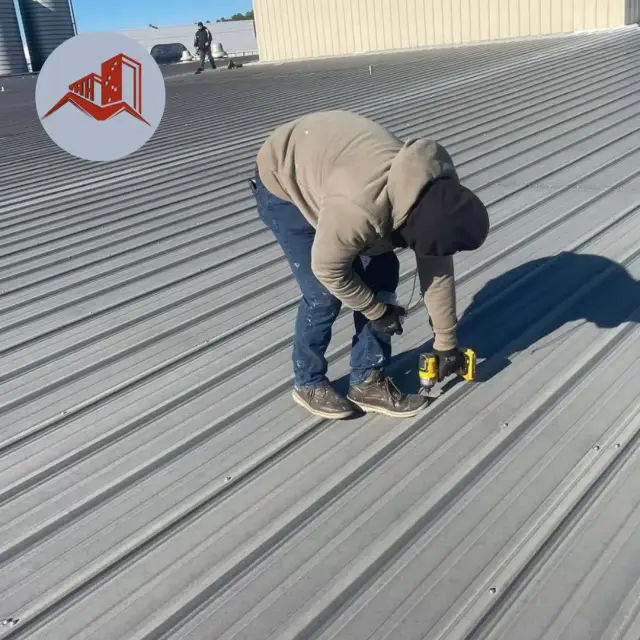
Out on the farms, exposed-fastener ribbed steel does the heavy lifting on barns and pole buildings. Panels outlast their fastener gaskets by decades, so re-gasket passes at the 15-20 year mark are the cheap fix that prevents the expensive one.
Colfax pricing
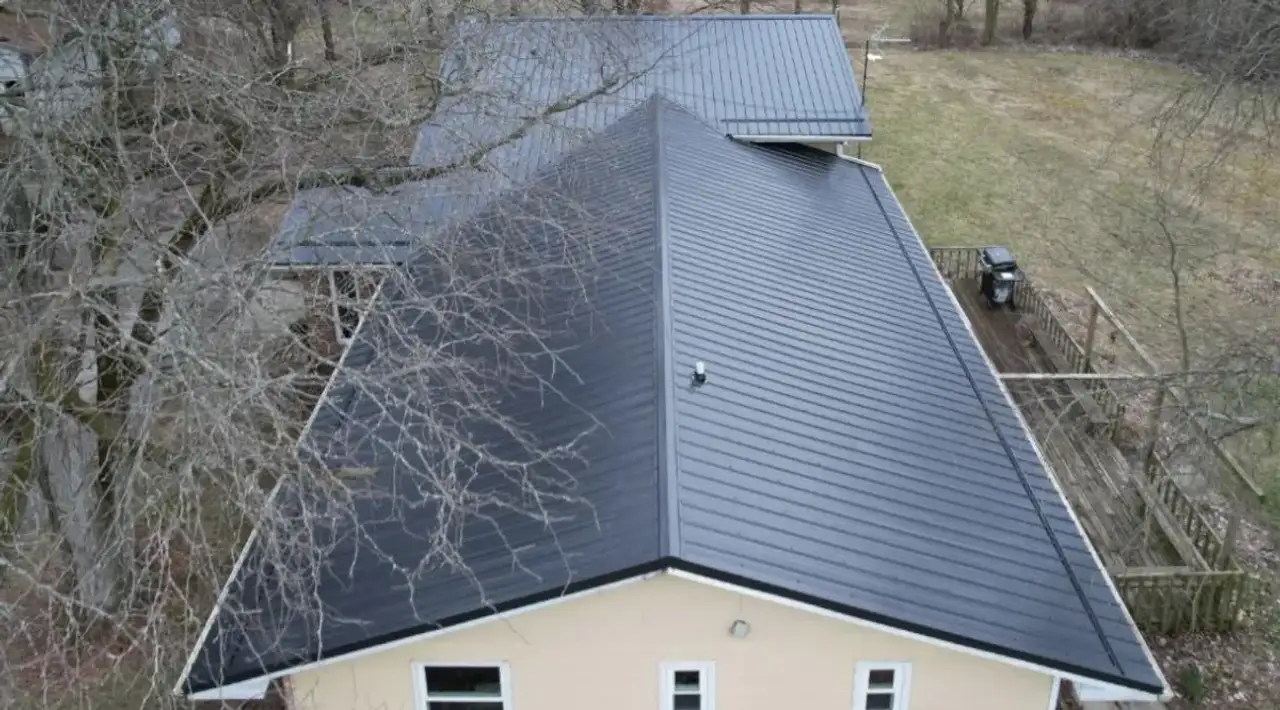
Standard homes (1,500-2,200 sq ft): $8,500-$15,500 in architectural asphalt, $13,500-$23,000 in standing seam. Compact historic-core homes: $5,500-$10,500 asphalt, with flashing complexity priced honestly up front. Highway 40 commercial: $8-$18 per square foot for membrane replacement. Farm buildings: $3-$8 per square foot in ribbed steel, minus 10-20% when bundled with a house project. Repairs from $300 for wind-lifted shingles and $400 for flashing.
Logistics from our side
Highway 40 makes Colfax a clean 30-minute run, and it anchors our northwest corridor alongside Bloomer and Elk Mound. Village replacements take a Village of Colfax permit (we pull it); township parcels follow their own rules. Farm access and staging around commercial frontage are routine. Lead times run 4-8 weeks in peak season and 1-3 in the shoulders, with storm documentation visits scheduled ahead of everything else because the claim clock doesn’t wait for the repair calendar.
If your roof caught weather, or just caught up with its age, call (715) 245-5271 or use the form below.